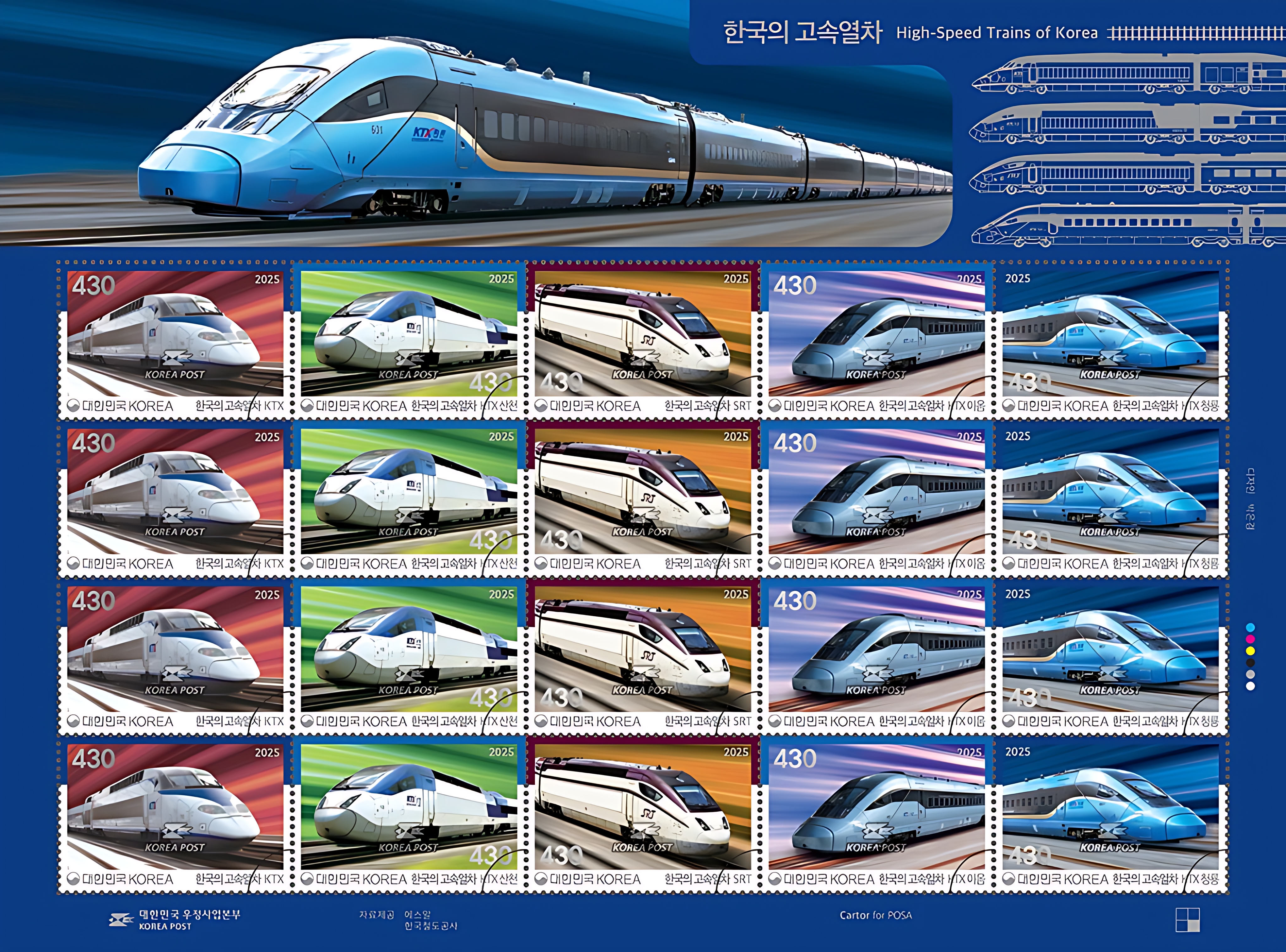
Product Description: Korea’s High-Speed Trains Since their debut in 2004, Korea’s high-speed trains have transformed the way people travel, turning the entire nation into a “half-day living zone.” These trains have become an essential part of daily life—saving valuable time on weekdays and serving as a trusted companion for leisure travel on weekends. With over 100 million passengers carried each year, Korea’s high-speed trains have firmly established themselves as the country’s representative mode of transportation. KTX: Korea’s First High-Speed Train Launched: 2004 Origin: Technology transferred from Alstom (France) Operating Speed: Up to 305 km/h Capacity: Up to 955 passengers KTX marked the beginning of Korea’s high-speed rail era. Built with a power-intensive system, it remains a cornerstone of long-distance travel, connecting major cities quickly and efficiently. KTX Sancheoneo: 100% Korean Technology Launched: 2010 Innovation: World’s fourth domestically developed power-intensive train Operating Speed: Up to 305 km/h Capacity: 379–410 seats As the first high-speed train fully designed and manufactured in Korea, the Sancheoneo represents a milestone in domestic rail technology. SRT: Competitive High-Speed Rail Launched: 2016 by SR Corporation Starting Point: Suseo Station, Gangnam (Seoul) Routes: Gyeongbu, Honam, Gyeongjeon, Donghae, and Jeolla lines The SRT introduced competition into Korea’s high-speed rail market, improving service quality and accessibility while connecting passengers directly from southern Seoul. KTX-EM (Seam): Distributed Power System Launched: 2021 Innovation: Power-distributed design for reliability Operating Speed: Up to 260 km/h Capacity: 381 seats Unlike power-intensive models, the Seam can continue operating even if some cars encounter issues, thanks to its distributed traction system. KTX Cheongryong: The Next Generation Launched: 2024 Technology: Fully developed with Korean engineering Operating Speed: 320 km/h (fastest in Korea) Capacity: 515 seats Routes: Gyeongbu Line and Honam Line The Cheongryong represents the pinnacle of Korea’s high-speed rail technology, offering faster travel times and greater efficiency while strengthening connections between regions. The Evolution of Korean High-Speed Rail From the introduction of KTX in 2004 to the Cheongryong in 2024, Korea’s high-speed trains showcase a remarkable journey of innovation. Evolving from power-intensive to power-distributed systems and increasing maximum speeds from 305 km/h to 320 km/h, these trains have shortened travel times and expanded opportunities for economic, social, and cultural exchange across the country. Today, Korea’s high-speed rail network continues to grow, seamlessly connecting regions while offering passengers comfort, speed, and reliability.