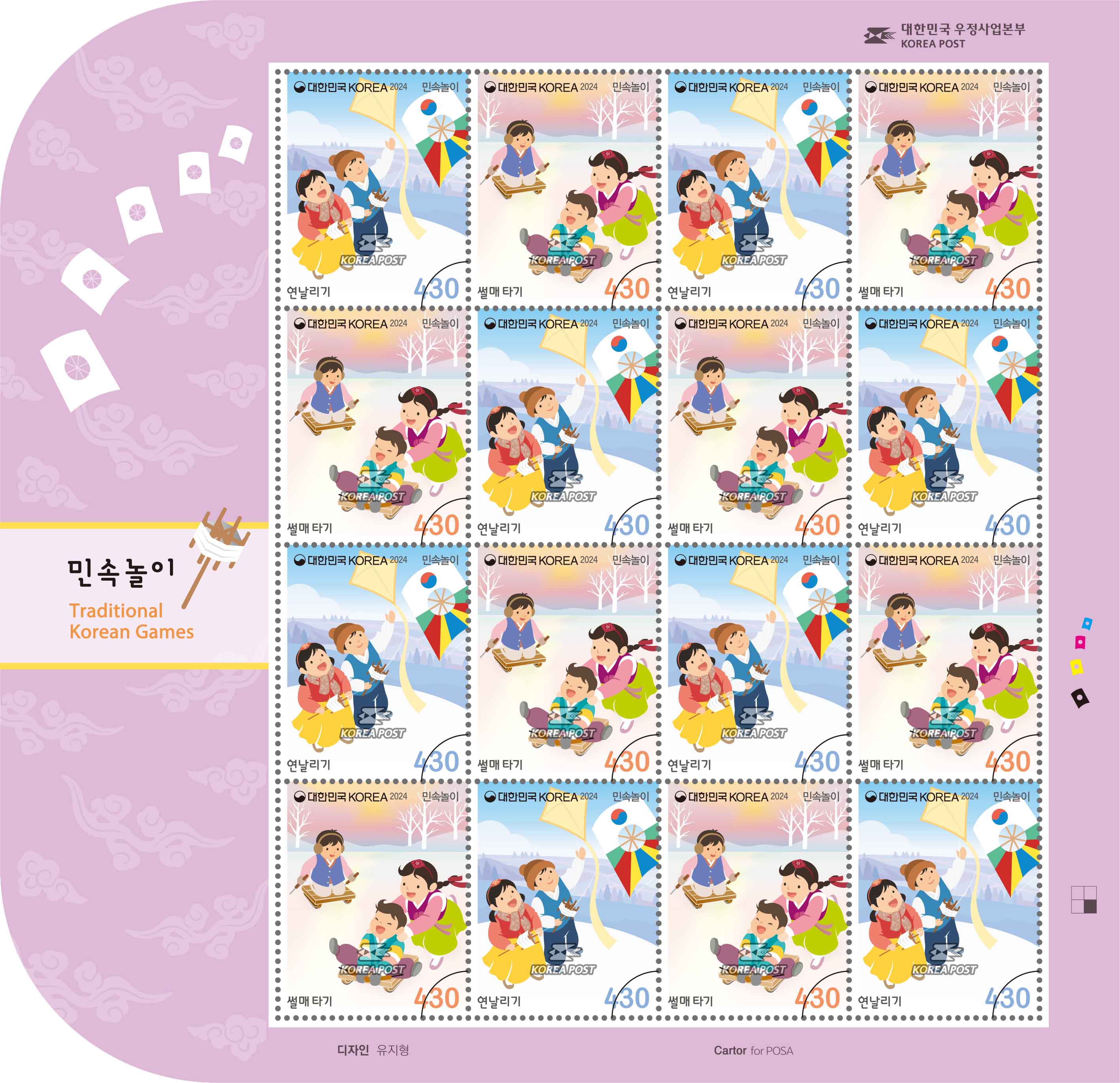
Korean Folk Games: Kites & Sledding Korean folk games have been cherished for thousands of years, carrying deep cultural significance and timeless joy. Among them, kite flying and sledding stand out as traditional pastimes loved by both children and adults. These activities reflect the wisdom, creativity, and emotions of generations past, offering entertainment while preserving cultural heritage. The Art of Kite Flying Kite flying in Korea has long been more than just a simple pastime. Traditionally, kites were crafted by attaching thin bamboo frames to sturdy paper, then released into the sky with the help of the wind. Historical Significance According to the History of the Three Kingdoms, General Kim Yu-shin of the Silla Dynasty once used a kite to create the illusion of stars rising in the sky, boosting his soldiers’ morale. This suggests that kites may have initially served military purposes before evolving into beloved folk games. Traditional Designs The word kite is thought to come from pine needles, reflecting its natural origins. Classic Korean kites typically include: Rhombus-shaped ray kites Slender square-shaped shield kites These kites were traditionally made using cotton yarn, silk thread, and sometimes strengthened with glue, boiled grass, or bristle for durability. Tools & Techniques To control the kite, special winding tools were used, such as: Square wheels Six-mole wheels Arm-mole wheels Round wheels Kite flying often included kite battles, divided into rope-cutting competitions and height contests. On Lunar New Year’s Eve, families flew symbolic kites to ward off misfortune and pray for peace. The Joy of Winter Sledding Sledding has long been a treasured winter game in Korea, especially among children. While originally used for transporting people and goods over snow and ice, it gradually became a fun recreational activity. How Traditional Sleds Were Made Traditional sleds were crafted by attaching wooden blocks under flat boards, with bamboo or steel runners fixed underneath to glide smoothly over ice. Ways to Play Sledding wasn’t just about sliding—it offered various playful challenges: Speed Racing – Competing to see who reached the finish line first Team Battles – Knocking over the opponent’s sleds Creative Variations – Connecting sleds like a train or playing ball games similar to ice hockey Children often used sticks to push or steer their sleds, gaining speed on slopes or ice surfaces. These variations made sledding a thrilling and interactive game during Korea’s cold winters. Cultural Value Both kite flying and sledding are more than games—they are expressions of Korean tradition, creativity, and community spirit. Kites symbolize aspirations, protection, and festivity, while sledding represents joy, resilience, and playful imagination during long winters. Bring a piece of Korea’s cultural heritage into your life with these timeless folk traditions.