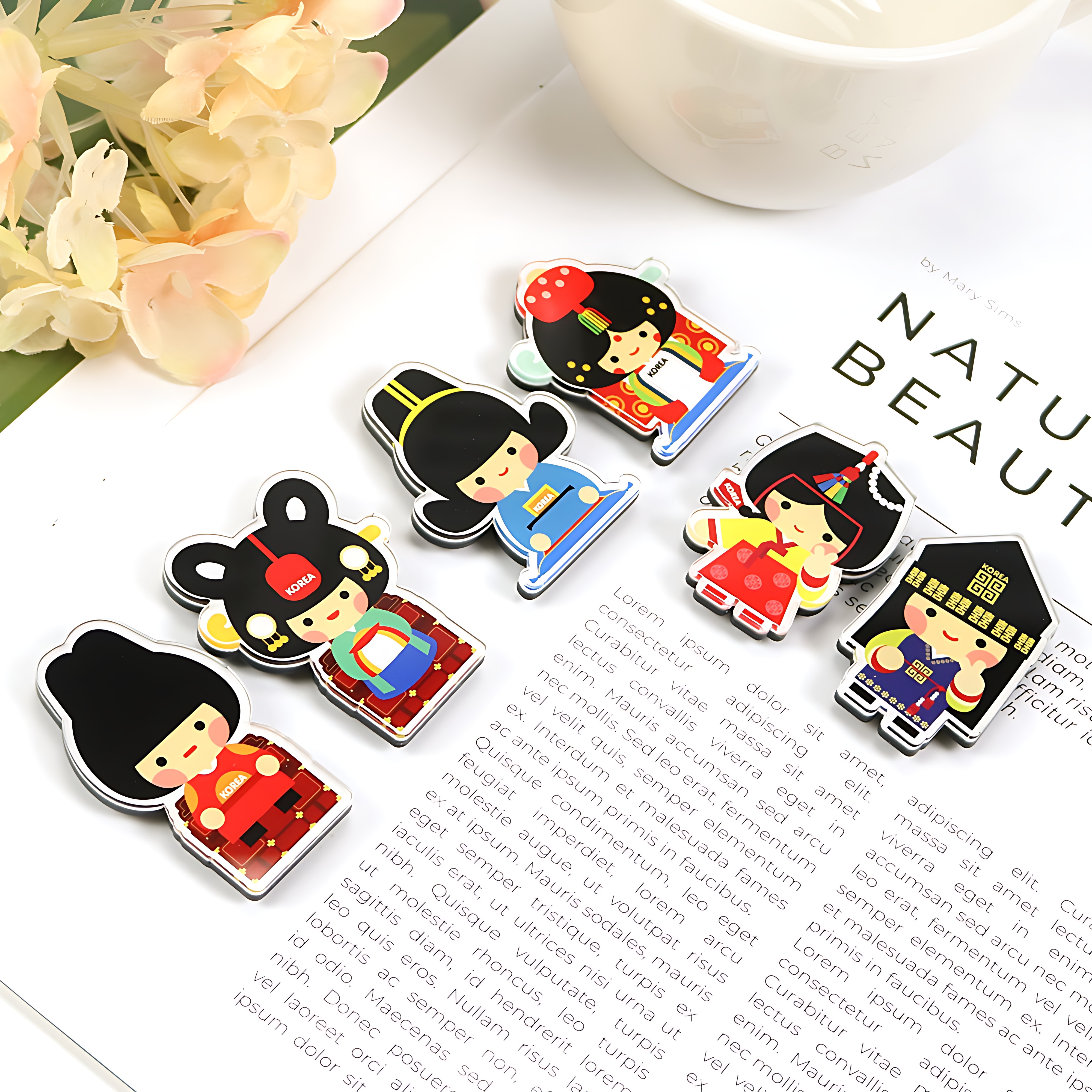
Korean Souvenir Magnets 09-16
$11.9
$15.94
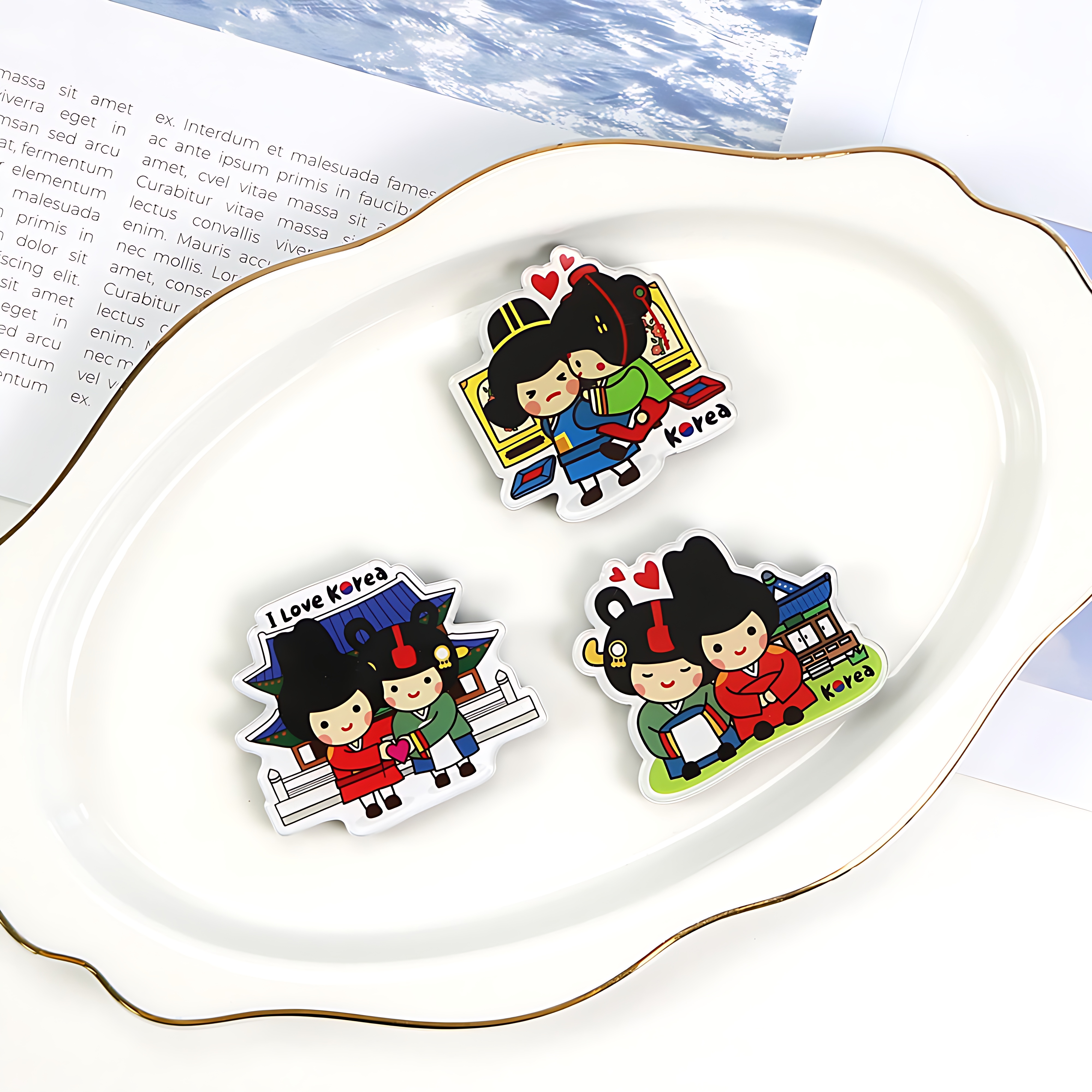
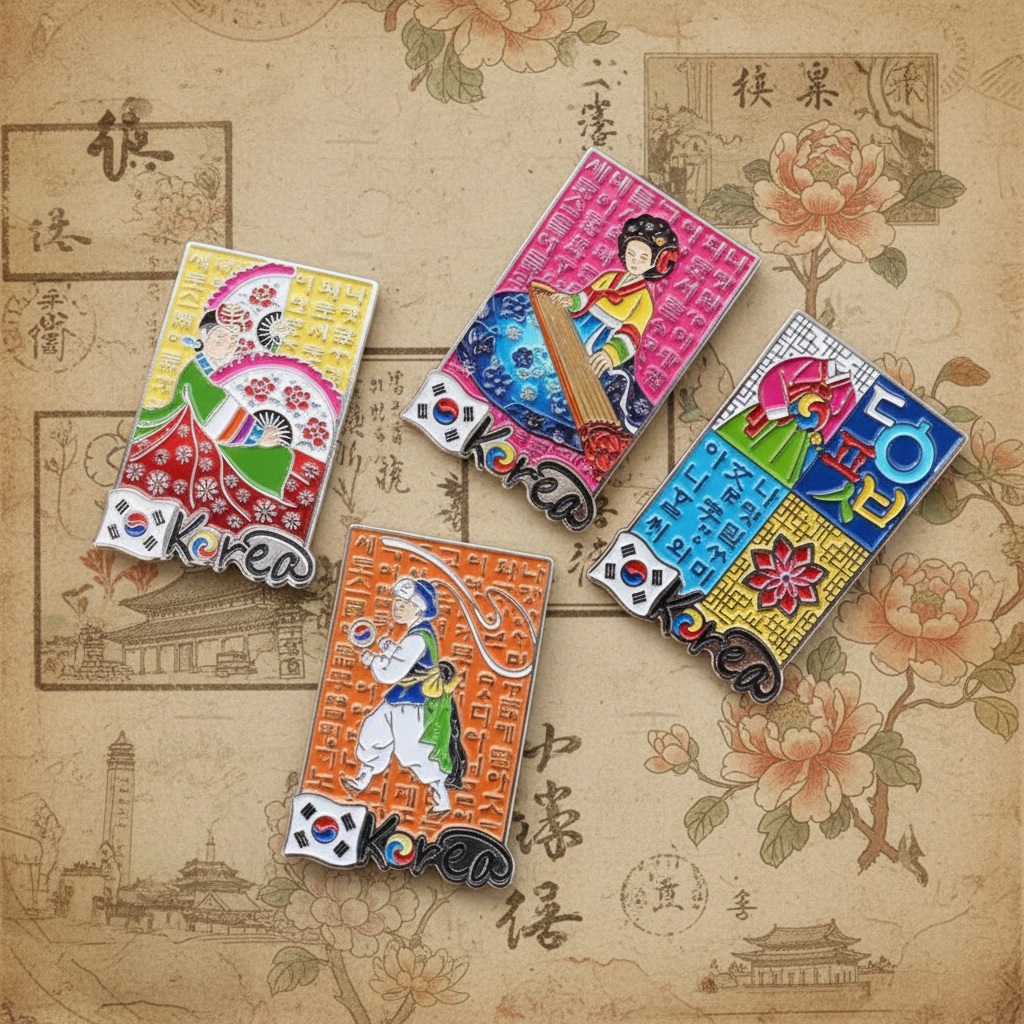
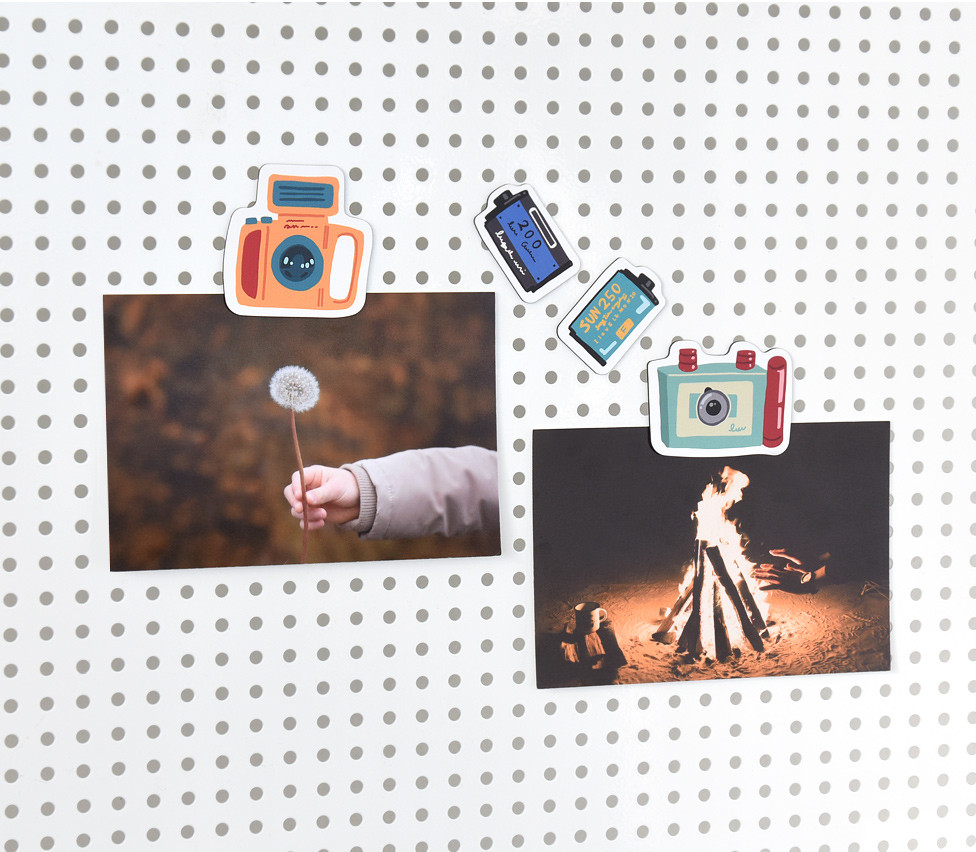
Korean Souvenir Magnets 09-16 Themes: Gyeongbokgung Palace, Changdeokgung Palace, Bukchon Hanok Village A premium set of magnets featuring beautiful illustrations of Korea’s most iconic landmarks — Gyeongbokgung, Changdeokgung, and Bukchon Hanok Village, located between the two palaces. Perfect for decorating your refrigerator, entrance door, office board, or even as a stylish touch to postcards. These magnets can be attached anywhere metal sticks and look beautiful on their own as interior decor. The artwork is detailed and elegant, making it an excellent gift choice. Especially popular among international visitors — a wonderful way to share a piece of Korea with friends or loved ones abroad. Material: PP printing, epoxy-coated front, magnetic back Packaging: OPP adhesive bag Size: 80 × 54 × 2.5 mm Colors may vary slightly depending on monitor settings. Changdeokgung Aeryeonjeong Pavilion Aeryeonji Pond, meaning “to love the lotus,” and Aeryeonjeong Pavilion offer one of the most peaceful views in Changdeokgung’s rear garden. The scenery from inside the pavilion is simply breathtaking. Bukchon Alley View While strolling through Bukchon Hanok Village, you’ll find charming old alleys filled with history. Neatly kept hanoks and lovingly tended plants give a warm, nostalgic feeling. Changdeokgung Winter View Though beautiful year-round, Changdeokgung is unforgettable in winter. White snow and red camellia flowers create a stunning contrast that makes the palace even more striking. New Year’s in Bukchon A quiet evening view of Bukchon as the last sunset of the year fades away. The calm streets carry a sense of reflection and hopeful anticipation for the coming year. Bukchon in Spring Known as the “flower village,” Bukchon is breathtaking in every season, but spring is truly its most beautiful time. How about a relaxing stroll through Bukchon this season? Seoul City Wall (Hanyangdoseong) Built during the Joseon Dynasty to protect the capital, the Seoul City Wall symbolizes the harmony of Seoul’s past and present, standing gracefully amid the modern skyline. Changdeokgung Royal Parade In the Joseon era, royal processions were major national events meant for communication between the king and the people. They were cultural festivals filled with art, ceremony, and tradition, representing the splendor of Joseon culture. Walking in Bukchon Bukchon, meaning “northern village,” lies between Cheonggyecheon and Jongno. It’s a place where visitors can experience traditional hanok houses, cultural heritage, and the essence of Korean tradition. 9. Changdeokgung Aeryeonjeong Pavilion Aeryeonji Pond, meaning “to love the lotus,” and Aeryeonjeong Pavilion offer one of the most peaceful views in Changdeokgung’s rear garden. The scenery from inside the pavilion is simply breathtaking. 10. Bukchon Alley View While strolling through Bukchon Hanok Village, you’ll find charming old alleys filled with history. Neatly kept hanoks and lovingly tended plants give a warm, nostalgic feeling. 11. Changdeokgung Winter View Though beautiful year-round, Changdeokgung is unforgettable in winter. White snow and red camellia flowers create a stunning contrast that makes the palace even more striking. 12. New Year’s in Bukchon A quiet evening view of Bukchon as the last sunset of the year fades away. The calm streets carry a sense of reflection and hopeful anticipation for the coming year. 13. Bukchon in Spring Known as the “flower village,” Bukchon is breathtaking in every season, but spring is truly its most beautiful time. How about a relaxing stroll through Bukchon this season? 14. Seoul City Wall (Hanyangdoseong) Built during the Joseon Dynasty to protect the capital, the Seoul City Wall symbolizes the harmony of Seoul’s past and present, standing gracefully amid the modern skyline. 15. Changdeokgung Royal Parade In the Joseon era, royal processions were major national events meant for communication between the king and the people. They were cultural festivals filled with art, ceremony, and tradition, representing the splendor of Joseon culture. 16. Walking in Bukchon Bukchon, meaning “northern village,” lies between Cheonggyecheon and Jongno. It’s a place where visitors can experience traditional hanok houses, cultural heritage, and the essence of Korean tradition.
Magnets